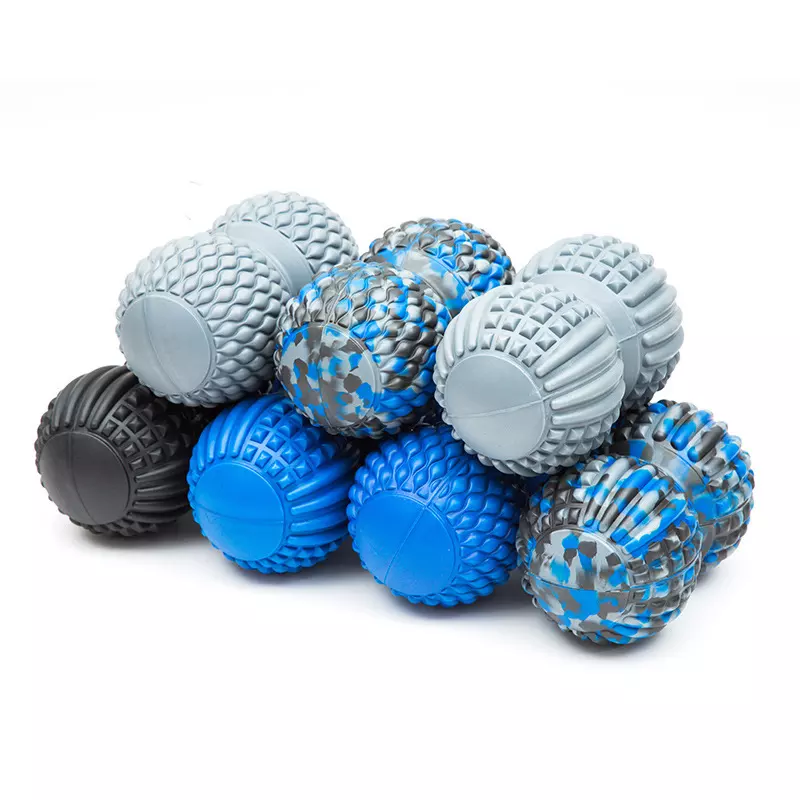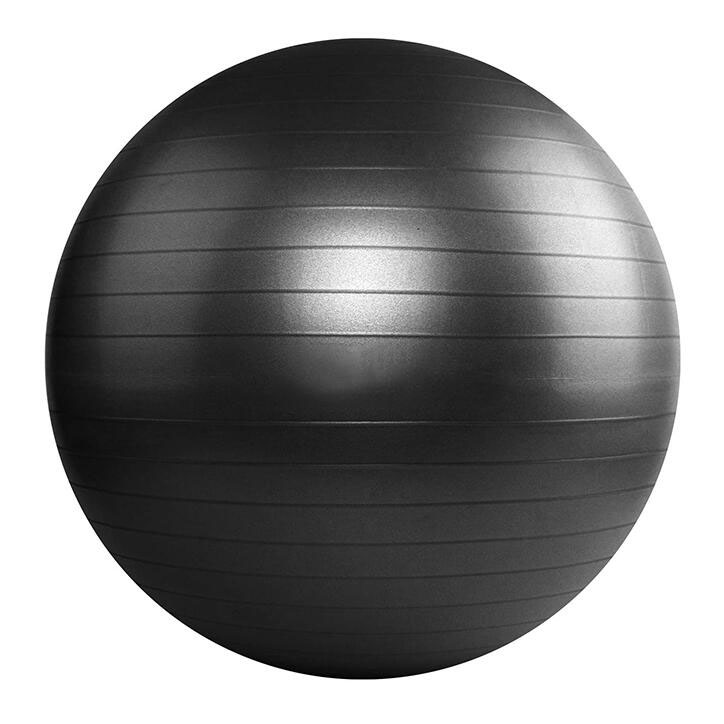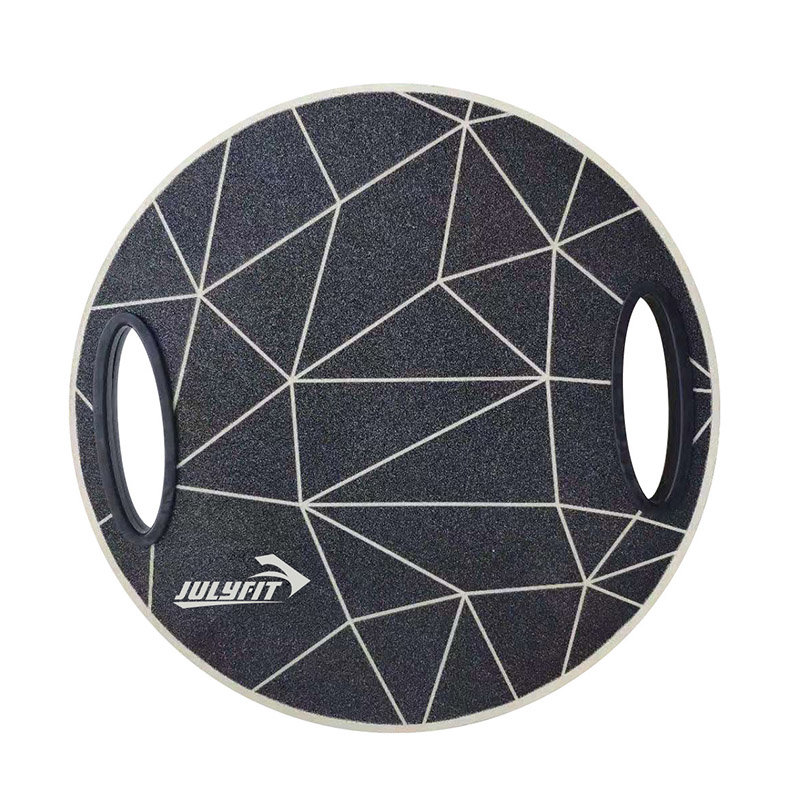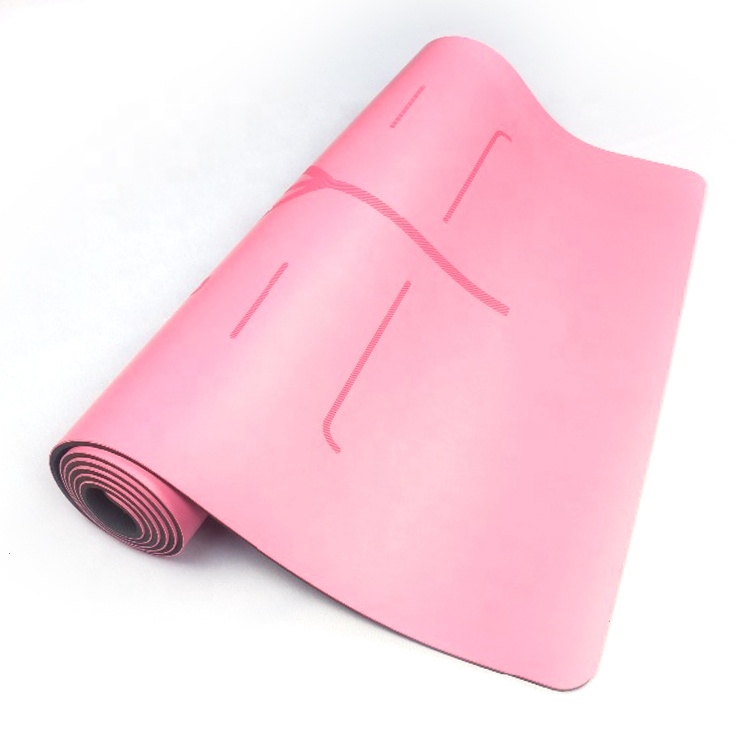
When I think about enhancing physical therapy practices, the Bosu Ball stands out as a game changer. It’s not just versatile; it’s a must for any facility aiming to deliver customized rehabilitation programs. Designed to improve balance, strength, and agility, the Bosu Ball caters to a variety of patient needs, making it a perfect fit for therapists looking to optimize recovery outcomes. I’ve seen firsthand how using it can elevate a therapy session, allowing for personalized adjustments and tailored routines. Plus, sourcing these from trusted factories ensures quality and durability, which I know is crucial for busy therapy environments. Investing in Bosu Balls means I’m choosing a robust tool that enhances patient engagement while supporting rehabilitation goals. This isn’t just equipment; it’s an essential part of my therapy toolkit that can make a significant difference in patient recovery. Let’s take that step toward better therapy solutions today!
In the realm of physical therapy, Bosu balls have emerged as a pivotal tool for rehabilitation and fitness. Their unique design, which allows for both stability and instability training, makes them an ideal choice for physical therapists looking to enhance their clients' strength, balance, and coordination. As the demand for innovative rehabilitation techniques continues to grow, incorporating Bosu balls into therapy sessions offers numerous benefits, particularly in injury prevention and recovery. For global buyers in the fitness and rehabilitation sectors, investing in high-quality Bosu balls can significantly improve service offerings. With a focus on enhancing patient experiences, these versatile tools can be utilized in various settings, from clinics to gyms, catering to a wide range of demographics, including athletes and elderly patients. The adaptability of Bosu balls fosters an environment of functional training, which is increasingly recognized as a vital component of effective physical therapy. Moreover, as the fitness industry evolves, the integration of evidence-based practices using Bosu training will likely become a standard among professional therapists. By purchasing Bosu balls, suppliers can position themselves as leaders in this innovative field, meeting the rising global demand while improving rehabilitation outcomes. In doing so, they not only enhance their product offerings but also contribute to the overall advancement of physical therapy practices worldwide.
| Therapist | Location | Specialty | Experience (Years) | Patient Rating |
|---|---|---|---|---|
| John Doe | New York, NY | Orthopedic | 8 | 4.8 |
| Jane Smith | Los Angeles, CA | Rehabilitation | 10 | 4.7 |
| Michael Brown | Chicago, IL | Sports Medicine | 5 | 4.9 |
| Emily Johnson | Houston, TX | Neurological | 7 | 4.6 |
| Mary Davis | Seattle, WA | Geriatric | 12 | 4.5 |